
How Cinema Lost Its Place at the Heart of the Community
By Neville, founder of ProScreens
How Cinema Lost Its Place at the Heart of the Community
By Neville, founder of ProScreens
There was a time when the local cinema was the beating heart of a community. People met there, went on dates there and took their children there. Queues outside a popular film were a familiar sight, and going to the pictures was part of everyday life.
But the film was only part of the attraction. The building, the welcome and the care taken over the whole evening made cinema feel special.
Having spent more than 30 years working in cinema and projection, I believe its changing popularity cannot be explained by television, ticket prices or streaming alone. We also need to consider what happened to the experience of going to the pictures.
When the Building Was Part of the Show
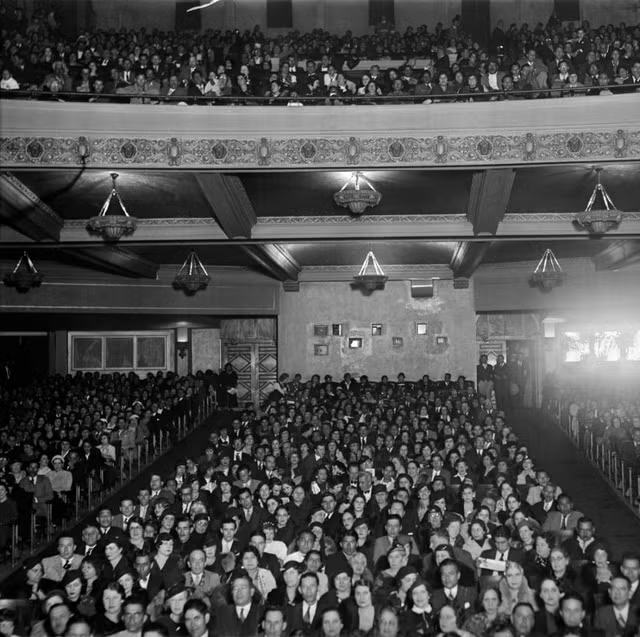
Many of Britain’s picture houses offered surroundings far removed from everyday life. Grand foyers, rich carpets, decorative ceilings, chandeliers and impressive auditoriums helped turn an affordable outing into an occasion.
For many customers, these were surroundings they rarely experienced elsewhere. Walking through the entrance could feel like stepping into another world.
The lighting, the curtains and the presentation all helped build anticipation. Before the first scene appeared, the cinema had already begun its show.
Where Did the Showmanship Go?
Oscar Deutsch, the founder of Odeon, understood how much the building contributed to the entertainment. Architecture, decoration and presentation gave his cinemas a recognisable identity.
His wife, Lily, also helped shape the interiors of early Odeon cinemas. The surroundings mattered because they helped make an ordinary trip to the pictures feel extraordinary.
These cinemas were commercial businesses, of course, but showmanship was part of what they sold.
From my experience, by the 1980s and 1990s, the balance increasingly felt different. There were still dedicated managers, projectionists and cinema teams who took enormous pride in their work. However, the emphasis seemed to move towards commercial targets, tighter staffing and more standardised operations.
The people responsible for the show locally appeared to have less freedom to put their own stamp on the experience.
Showmanship was in the welcome, the presentation and the pride people took in making the whole evening work.
The People Made It Personal
One of the things I remember most is the staff.
In cinemas I knew, people were there to welcome customers, check tickets and help them find their seats. I remember staffing arrangements where individual screens had their own attendants. Customers had someone visible to turn to if they needed help.
An evening manager in a shirt and tie, greeting people on arrival and wishing them goodnight as they left, helped give the cinema its character.
Regular customers became familiar faces. A simple conversation or a friendly goodbye could make people feel recognised and welcome.
When staffing is stretched, even hardworking teams have less time to offer that attention. The visit can become less personal, and the connection between the cinema and its audience can gradually weaken.
For me, the people were always an essential part of the magic.
The Beating Heart of the High Street
The cinema’s importance extended beyond its own doors. It brought people into town, and those people often supported the businesses around it.
Many times, I have seen customers finish a meal in a restaurant before heading to the cinema. Equally, audiences leaving a screening would go somewhere to eat, meet friends in a pub or carry on their evening at a club.
The cinema gave people a reason to make an evening of visiting the town centre.
That is why the loss of a high-street cinema could be so damaging. A closure meant more than losing somewhere to watch films. Nearby businesses could lose passing customers and an important source of evening trade.
The relationship worked both ways. A thriving high street helped support its cinema, and a popular cinema helped support the high street.
When screenings moved elsewhere, the town centre could still lose that activity, even if audiences had a new cinema to visit outside town.
To me, cinema was the beating heart of the community because its influence reached well beyond the auditorium.
A Shared Experience in Wartime
During the Second World War, cinema had a role in keeping people informed as well as entertained.
Alongside newspapers and radio, cinema newsreels gave audiences moving images of events they had heard about or read about. Before television became commonplace, seeing those pictures on a large screen was a powerful shared experience.
Newsreels and public information films appeared alongside entertainment. Wartime reporting was subject to censorship, and some films carried propaganda intended to support the war effort and maintain morale.
Cinema also offered a temporary escape from the pressures of wartime life. For a few hours, people could share laughter, music and stories in the company of others.
It could not remove the hardship outside, but it gave people somewhere to gather and something to experience together.
That is part of what makes cinema history so much bigger than the history of films.
Television Changed the Habit
Cinema’s decline as a regular weekly habit began long before streaming.
As television ownership spread, people gained another source of entertainment without leaving home. Later, home video gave them more control over what they watched and when they watched it.
The local cinema was no longer the automatic choice for an evening’s entertainment.
There was no single reason for that change. New technology, different leisure habits and the experience offered by individual cinemas all played a part.
Once people had more reasons to stay at home, cinemas had to give them stronger reasons to come out.
Getting There Became Part of the Decision
In my view, the changing experience of visiting the high street also deserves attention.
Parking charges, limited spaces and uncertainty about where to leave the car could make a town-centre cinema visit harder to arrange. The effect varied from place to place, but the practicalities mattered.
For a family, the cost of an evening involved more than admission. There was travel, parking, refreshments and the time needed to get everyone there and home again.
A cinema needed to be convenient to reach as well as somewhere people wanted to visit.
When an outing began with difficulty finding a parking space, part of the enjoyment could disappear before the customer reached the door.
Knowing the Local Audience
Another change I noticed was the distance between decisions about programming and the people buying tickets.
A local manager could develop a detailed understanding of the community. They knew which screenings attracted families, which specialist events had a following and what times suited their regular customers.
Chain booking arrangements existed long before the multiplex era, so there was never one universal period when every manager chose every film.
However, where local influence was reduced, I believe cinemas risked losing valuable knowledge.
Conversations with customers, experience of previous screenings and an understanding of the surrounding area could tell a manager things that figures alone might miss.
Different communities have different audiences. Giving local teams a meaningful voice can help a cinema remain connected to the people it serves.
Multiplexes Brought a Revival
Cinema’s history is not simply a story of decline.
The growth of UK multiplexes from the mid-1980s helped revive cinema-going. More screens offered greater choice, while many developments provided convenient parking and access to restaurants and other leisure facilities.
They brought new audiences to the big screen and gave people more opportunities to find a film at a suitable time.
Those improvements deserve recognition.
Yet we can appreciate that revival while asking whether some venues lost elements of the older picture-house experience along the way.
Better technology and efficient operations matter, but so do atmosphere, personal service and a sense of belonging.
What Can Cinema Learn from Its Past?
Many cinemas still have passionate teams, excellent presentation and loyal local audiences. Showmanship has never disappeared everywhere.
But the older picture houses offer a lesson worth remembering: people remember how a place made them feel.
They remember the welcome at the door. They remember the atmosphere, the excitement and the sense that somebody cared about their evening.
They also remember the restaurant before the film, the conversation afterwards and the familiar faces who made the cinema feel like part of their town.
At ProScreens, my background in cinema informs how we approach indoor and outdoor screenings. Suitable equipment, carefully presented pictures and sound, and people who care about the audience all contribute to the experience.
Whether a screening takes place in a traditional auditorium, a village hall or an outdoor venue, cinema can still bring a community together.
The magic begins before the film starts. It begins when people arrive and feel welcome.